How Many of Your Friends Are Suffering With Diseases Caused or Worsened By The Yeast Syndrome?

Many of our patients – especially those for Chelation Therapy for heart and blood vessel diseases and a variety of other distressing diseases and those for Reconstructive Therapy for neck/back and sports/joint injuries or arthritis – don’t have any idea that we
dramatically help with a wide range of other problems.

We mean LOTS of medical problems for which people hop onto (and never get off) the “medical merry-go-round.

Here’s a quick review of treatment for The Yeast Syndrome, popularized by our best-selling Bantam Book … from 1986! How many of your family and friends have suffered needlessly through the past 2-dozen-plus years???

The Yeast Syndrome: Chronic Degenerative Diseases

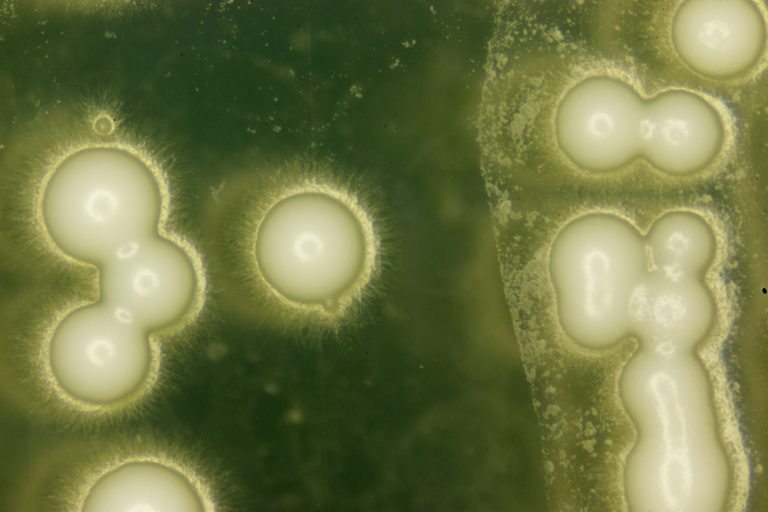
Three kingdoms: PLANTS convert sunlight to energy, ANIMALS eat plants or other animals who’ve eaten plants to get their energy,  FUNGI (YEASTS) eat both plants and animals (yes, US!), to extract their energy.

The Yeast Syndrome = infected by yeast that is busy putting out poison to recycle YOU!

Most commonly Candida albicans but other varieties as well.

WEEDS in your lawn – a few here and there, no big deal when they “overgrow” and begin to take over, BIG deal = The Yeast Syndrome!

Humans “tolerate” yeasts as “normal growth” on the skin, in the gut (mouth to anus), vagina.

Because yeasts are not “seen” when growing in the gut, they can “overgrow” thanks to antibiotics, birth control pills, cortisone, deplorable diet, stress, lifestyle… Some of the more obvious Yeast Syndrome problems people “show up with” …

MOUTH – tongue = thrush, gums = periodontal bio-film, cheilitis angle-of-mouth infections, recurrent pharyngitis/sinusitis, chronic nasal allergies

ESOPHAGUS = esophagitis, reflux “heartburn,” even chronic cough

STOMACH = epigastritis, pains, reflux (complicates hiatal hernia)

INTESTINE/COLON = belly bloating, “gas,” irritable bowel symptoms, anal itch, Crohn’s disease, Ulcerative Colitis, recurrent/persistent belly pains

SKIN = vulvovaginitis, “jock itch,” “athlete’s foot,” skin-folds inflammation, eczematous dermatitis, dandruff, recurrent skin infections, eyelid infections

BLADDER = recurrent vulvovaginitis, cystitis (even kidney infections), painful intercourse

Yeasts grow silently in the gut, percolating toxins (“Candi-toxins”) designed to interfere with essential metabolic processes – over 60 identified – creating or worsening virtually every acute and chronic disease process, bar none!

Damage to metabolism due to toxins creates failing organ systems, leading to diagnosis of various CHRONIC diseases = “hop onto the medical merry-go-round” – BUT the origin of the problems remains unseen, so treatment is never directed “at the source” of symptoms = unnecessary medications and operations, never really getting the patient “better”- ingested mercury (from fillings or fish) is made more toxic by conversion to organic mercury by gut yeast.

TREATMENT KEYS: Diet (low sugars/starches) – Nutritional Supplements (to repair and support body systems) – Specific Treatments for Patient Discomforts – Drugs to Kill Yeast

ANTI-YEAST DRUGS: Commonly Nystatin for many months and briefly or intermittently Nizoral (ketoconazole)

“DIE-OFF” Reaction: You might feel worse for a few days and then steadily better as yeast in your gut are brought under control

DIETARY Progression: From Phase I (MEVY = Meats/Eggs/Veggies/Yogurt) through Phase II (mostly more veggies, some starches) then Phase III (more starches, some sugars) and finally Phase IV (foods with yeasts, sugars, starches) – it takes time to recover!!!

Choose Wisely!

So, what will you do with this startling new information about our treatments that effectively help with MANY degenerative diseases? Will you watch your family or friends continue to suffer? Here’s your choice – feel better or … keep taking the drugs and having the surgery and complaining of feeling sick and tired. It all depends on your point of view!

DIAL 1-800-FIX-PAIN to ask our receptionists to send you our entertaining and informative materials

Are Your Health Problems Caused By Your Teeth and Gums?

Systemic illnesses linked to oral disease

A growing body of research reveals that people who suffer from moderate to severe periodontal disease and gingivitis may be unknowingly affecting their overall healthfulness as bacterial poisons known as endotoxins are released into the bloodstream through infected gums.

shutterstock_329196521Evidence suggests that the link between gum infections and cardiovascular disease in particular is quite strong, and even notable physician Dr. Oz has spoken about the wide assortment of health risks associated with untreated gum disease.

“People with gum disease (periodontal disease and gingivitis) may harbor up to 500 species of bacteria and the proximity of that bacteria to the normally sterile bloodstream can be worrisome. Bacteria can enter small blood vessels, travel to other parts of the body, release toxins, and trigger inflammatory chemicals that assault arteries and organs,” says Dr. Mehmet Oz.

Gum disease and tooth loss now is considered a harbinger for coronary artery disease, infective endocarditis, bacterial pneumonia, diabetes, kidney disease, and stroke. Periodontal bacteria also have been detected in the mouths and amniotic fluid of women who have experienced premature labor or miscarriage. This also may contribute to low birth weight.”

How poor oral hygiene can lead to gum disease

People with periodontal disease are more likely to suffer strokes and coronary artery disease — both conditions that may be associated with inflammation of the blood vessels. Even in healthy mouths, the groove between the teeth and gum is teeming with bacteria. If teeth and gums are not cared for properly, harmful colonies of bacteria will increase in mass and thickness until they form the sticky film known as plaque.

In a healthy mouth shutterstock_208219309plaque actually provides some barrier against outside bacterial invasion, but when it accumulates to extreme levels, it adheres to the surfaces of the teeth and adjacent gums and causes infection which, if left untreated, turns into periodontal disease.

As periodontal disease progresses toxic oral bacteria travel into the gums, where it then multiplies and produces toxins. This action can create a chronic inflammatory response in the mouth, triggering a breakdown of tissues and bone that surround the teeth, opening up pockets of space that can then become infected – or infested with toxic bacteria.

A system-wide invasion

Over time, as periodontal disease affects both the bone and tissue where they form a connection, inflammatory compounds begin to seep into the bloodstream. As these toxic compounds circulate throughout the body they can harm the lining of blood vessels – a process which is known to lead to strokes shutterstock_130094222and heart attacks. A routine of good oral hygiene is one of the ways to ensure that the body is not susceptible to chronic inflammation and other associated health issues including:

  • heart attack
  • stroke
  • diabetes
  • low preterm birth weight
  • respiratory disease
  • osteoporosis
  • digestive disorders

Since the bacteria stemming from gum disease may spread throughout the body causing harm to more than just the teeth and gums we recommend that patients have their teeth checked and cleaned at least twice a year. Treatment of oral bacteria with proper oral care, mouth rinses and a good routine at home can reduce the complication of chronic disorders. Contact our office to learn more about how to keep your gums healthy.

For more information:

Professional Oral Health Care Helps Prevent Heart Attacks & Strokes

shutterstock_123375616Although there is no conclusive proof found that gum disease causes heart disease or stroke, there is good news for folks who remain loyal to the recommended annual visit to the dental hygienist.

A recent study from Taiwan suggests that people who routinely get their teeth cleaned (undergo professional tooth scaling) have as much as 24 percent lower risk of heart attacks and 13 percent lower risk of stroke, than those who never actually visit the hygienist. Researchers have also concluded from a similar Swedish study that harmful oral flora is an excellent predictor of heart attack and stroke.

The effects of oral health on overall healthfulness have been the subject of scientific studies for quite some time, and this new research provides added proof that patients who receive regular dental care and follow recommended oral hygiene regimens can successfully reduce their risk of both heart attack and stroke.

Taiwan Study

The study from Taiwan followed 100,000 participants over a 7-year period, most of whom submitted to professional teeth cleaning at least twice or more in two years; and at least once or less in two years. About half of the adults underwent full or partial tooth scaling while the other half matched with gender and health conditions from the test group but had no tooth scaling. Although researchers did not adjust for potential heart attack and stroke risk factors prior to the study none of the participants reported a history of heart attack or stroke.

shutterstock_142808959Emily (Zu-Yin) Chen, M.D., cardiology fellow at the Veterans General Hospital in Taipei, Taiwan concluded from the study that protection from heart disease and stroke was more pronounced in participants who received tooth scaling at least once a year. In other words, clinical oral health care—tooth scaling—reduces bacterial growth that can lead to serious cardiovascular conditions.

In a separate study coming from Sweden, researchers discovered that the value of markers for gum disease predict heart attack, congestive heart failure and stroke in different ways and in slightly different degrees. Anders Holmlund, D.D.S., Ph.D. Centre for Research and Development of the County Council of Gävleborg, Sweden, and senior consultant; Specialized Dentistry, studied 7,999 participants with periodontal disease and found people with:

  • Fewer than 21 teeth had a 69 percent increased risk of heart attack compared to those with the most teeth.
  • A higher number of deepened periodontal pockets (infection of the gum around the base of the tooth) had a 53 percent increased risk of heart attack compared to those with the fewest pockets.
  • The least amount of teeth had a 2.5 increased risk of congestive heart failure compared to those with the most teeth.
  • The highest incidence of gum bleeding had a 2.1 increased risk of stroke compared to those with the lowest incidence.

These studies highlight the importance of educating patients about oral health to stress the potential impact periodontal disease can have on overall healthfulness. Unfortunately many adults develop some type of periodontal disease due to a lack of daily brushing and flossing, and all too infrequent visits to the dental hygienist.  Routine teeth cleaning will help avoid periodontal disease, and ultimately can help to prevent heart attack and stokes.

Another Great Testimonial!

Another great review by Jack.

I’ve had a lot of circulation problems. I’ve had 6 stints open heart surgery and bypass surgery on both legs. Blood clot in the leg that was stopping the blood flow. The right leg was deprived of blood for 5 months. The cardiologist said that was all he could do. Someone suggested chelation. As a result, after 25 treatments, the feeling is back. I can now walk. No need for the walker now. I have not picked up a walker in 5 weeks. Other area have also improved due to blood flow being increased in all areas. I would recommend this to anyone, because surgery isn’t always the answer.
20120822-091529.jpg

Another Great Testimonial!

Another great review by Cynthia.

My overall health since seeing Dr. Trowbridge has greatly improved. My energy level has increased dramatically. He is doing RT therapy on my knee with significant positive results.
20120807-032424.jpg

Spreading the Word on Biological Dentistry and Medicine

Dr. John Trowbridge opens up IABDM’s 25th Anniversary meeting in Carmel 2011

The IABDM has long been spreading the word on the value and importance of biological dentistry and medicine. In a world where dentistry has barely progressed from 18th Century ideas and techniques, the biological dentists of the world have been making strides to change the fundamental way we think about dentistry and the way we help and treat patients.

Please enjoy this video about the IABDM and Biological Dentistry and Medicine.

In a time of Mercury Exposure, Healthy Detoxification is Key

How Do You Detox from Heavy Metals?

Recent recommendations by the FDA aimed at reducing the public’s exposure to mercury were primarily focused on fish consumption and beauty products manufactured outside of the US. While the holistic dental community continues to ponder why the FDA can’t get their act together and issue similar warnings pertaining to the use of mercury in dental amalgams — we would like to give some options for how to deal with heavy metal toxicity – not the least of which is caused by the continued use of mercury in dental amalgams.

How It Works

shutterstock_70646686Our bodies are absorbing heavy metals constantly from the air we breathe, the water we are expose to, the products we use, the food we eat and of course, through silver amalgam dental fillings. Compounding the exposure to amalgam fillings is the fact that over 6,000 tons of mercury enters the environment each year via industrial emissions such as coal plants.

We are doubly exposed to it through immunizations, cooked and canned fish and many other sources. The amount of mercury currently used in dentistry for fillings is today equal to the total volume of mercury being dumped into the environment by coal plants. As a result anyone who now has even a single silver filling as well as anyone undergoing removal of dental amalgams is well advised to consider taking up a detoxification routine.

“Detoxification and internal cleanses are ancient practices that have become increasingly popular, and for good reason. The gentle removal of harmful toxins and heavy metals from your body has many benefits, regardless of your age or health status. Increased energy, vitality and mental clarity are the most noticeable results, often apparent within the first few days of cleansing .

Gentle detoxification can also help reduce numerous disease risks, while providing a foundation to renew and invigorate your daily health routine. Who wouldn’t relish having more shutterstock_372396649energy for activities with the grandkids,” says Dr. Isaac Eliaz, a renowned integrative medical doctor, licensed acupuncturist and researcher.

Heavy metals like mercury, lead, cadmium, arsenic and uranium are among the most serious environmental poisons we are exposed on a daily basis. Other heavy metals include lead, which is found in old paint, dust residues, lipstick and toys and now beauty products from China. Tests now confirm that our bones have 1,000 times more lead than our ancestors of 500 years ago. In instances where both mercury and lead are present, the level of toxicity is magnified 100 times. In the face of this onslaught, and to maintain optimum health, it is imperative to detoxify these heavy metals from the body.

An Introduction to Detoxification

Detoxification is one of the more widely used treatments and concepts in alternative medicine, and it is a process many natural dentists recommend for removing heavy metals from the body following the removal of amalgam fillings. The science of detoxification is based on the principle that illnesses can be caused by the accumulation of toxic substances (toxins) in the body and from the holistic dentist’s perspective eliminating exposure by removing metal fillings and then avoiding new toxins is an essential part of the healing process.

shutterstock_357147542According to Dr. Eliaz, detoxification and internal cleanses are ancient practices that have become increasingly popular if not necessary in t
oday’s polluted world. Dr. Eliaz says that the gentle removal of harmful toxins and heavy metals from your body has many benefits, regardless of age or health condition. Increased energy, vitality and mental clarity are the most noticeable results, often apparent within the first few days of cleansing. Gentle detoxification can also help reduce numerous disease risks, while providing a foundation to renew and invigorate your daily health routine.

A typical detox process can last anywhere from three days to three months, with the average maintained at 10-14 days to complete a cleanse routine. To give you some idea of how to go about a detoxification process Dr. Eliaz put together the following recommendations in a recent article titled ‘Healthy Detoxification – Tips for greater vitality and wellness’.

(NOTE: If you have signs of heavy metal toxicity, please call our office, as many cases are best left to professionals in order to monitor your process and ensure a SAFE, healthy detoxification. However, the following can be very helpful for people who just want to give their body a boost in removing some of those atmospheric toxins that we face every day).

Gradual Beginnings: Alkalize Your Diet

shutterstock_256039183A healthy detoxification program should always begin gradually. The best way to do this is by shifting to a more alkaline diet.

This type of diet
emphasizes greens and other nutrient rich vegetables that help to balance pH in the body, reduce inflammation and promote internal cleansing. Slowly increase your intake of foods such as dark greens and cruciferous, sulfur-rich vegetables (broccoli, cabbage, kale and others). Vegetables that are high in alkalizing minerals — such as potassium, magnesium and/or calcium — include red potatoes, avocado and Brussels sprouts, broccoli, sea vegetables, collards, chard and other greens.

An alkalizing mineral broth can be easily made by combining potatoes, celery, parsley, green beans, zucchini, beet tops, kale, onions and seaweed in a full pot of water; simmering for an hour or two; and pouring off the liquid for use. As you increase your intake of cleansing, alkaline foods, slowly reduce or eliminate acidic foods which increase toxicity. Processed or refined foods and those with artificial additives are especially hard on your body and can significantly reduce health over time.

shutterstock_76156198Pre-Cleanse with Gentle Supplements
Gentle detox supplementation begins with natural ingredients that help clear toxins from the circulation and digestive systems, while providing overall health support. Some patients start with an over-the-counter supplement such as a medicinal 10-mushroom formula, which helps remove toxins while supporting every major body system.

Modified citrus pectin is another supplement that safely
removes heavy metals and environmental toxins, reduces inflammation, boosts immunity, and protects against cancer and chronic illness by blocking harmful galectin-3 molecules. Of course, for a personalized system, we are always available to help you create a regimen that is customized to your needs.

Detoxify Organs and Tissues
shutterstock_242954023After gently detoxifying circulation and digestion, you can gradually advance to more thorough detoxification of organs and tissues, wher

toxins are often stored over time. For deeper, in-depth detoxification I recommend a phase-two detox formula incorporating nutrients and herbs such as n-acetyl cysteine, selenium, MSM, alpha-lipoic acid, milk thistle, cilantro, goldenrod, garlic, dandelion leaf and others. This formula helps eliminate deeply stored toxins, without causing uncomfortable side effects. It also boosts vital energy and provides a wide array of antioxidant support, which is critical during any toxin removal program

shutterstock_207545467Hydrate
Dehydration can lead to inflammation and oxidative stress, which increases toxicity in the body. Drink plenty of pure water and herbal tea to help assist the flushing of toxins from your body and keep your natural detox functions running smoothly. Good hydration is essential to overall health.


Exercise

Simple, moderate exercise on a regular basis keeps the lymphatic system moving, releases stored toxins and boosts immunity as well as mood. Even 15 minutes of walking, especially in a natural setting, can offer powerful benefits for detoxification and overall health.

Cilantro (coriander)

Daily use of some food products, such as cilantro, can do no harm and might contribute to gentle detoxification that would slowly shutterstock_298185740add up over time, but not as a replacement for actual
chelation as approved by the FDA.

Chelation therapy using chemicals like EDTA has long been used to help remove these heavy metals in dentistry, and cilantro may actually provide a natural alternative for people suffering from the ill effects of amalgam dental fillings, and is particularly helpful following the removal of dental amalgams.

Detoxification Makes Sens

If you have obvious signs of heavy metal toxicity, please call our office, as detoxification can be a tricky situation with potential side-effects and is often best left to professionals when
you have obvious symptoms.

If you’re living your daily life and want to help your body detoxify from some of the heavy metals found in our everyday lives, then the above may be a great place for you to start!

shutterstock_206494039Adopting a detoxification routine can be particularly important for those patients suffering from many chronic diseases and conditions, including allergies, anxiety, arthritis, asthma, chronic infections, depression, diabetes, headaches, heart disease, high cholesterol, low blood sugar levels, digestive disorders, mental illness, and obesity. It is helpful for those with conditions that are influenced by environmental factors and for those suffering from allergies or immune system problems that conventional medicine is unable to diagnose or treat, including chronic fatigue syndrome, environmental illness/multiple chemical sensitivity, and fibromyalgia. Detoxification can be used as a beneficial preventative measure and as a tool to increase overall health, vitality, and resistance to disease.

Resources:

Recipes for using cilantro

Cilantro Pesto Removes Heavy Metals & Health Benefits

Heavy Metals and Environmental Toxins
http://www.dreliaz.org/recommended-product/for-chelation-and-detoxification

Seven Questions to Ask Your Dentist if You Want to Reduce Dental Toxins

Not all dentists are created alike–not even all biological dentists are created alike. With the heightened awareness of the dangers of mercury and mercury amalgam fillings, more dentists are becoming “mercury-free” without really knowing what i means to be “mercury-safe.”

While perusing the news files recently, I came across a good article on NaturalNew.com that provides a good set of questions you can use if you are looking to have your mercury amalgam fillings safely removed. Rather than recreate the wheel, I’ve posted a copy of the article below–with full credit to the author and website, of course. I hope it helps in your search!

Seven Questions to Ask Your Dentist if You Want to Reduce Dental Toxins

by: Dr. Veronique Desaulniers (http://www.naturalnews.com/036521_toxic_dentistry_mercury.html)

shutterstock_291626231(NaturalNews) Amalgam fillings are composed of mercury, silver, tin, copper and other trace metals. A growing body of evidence
suggests that amalgam fillings contribute to many degenerative diseases and cancers. According to a report published by The International Academy of Oral Medicine and Toxicology, there are over 1000 tons of mercury in the mouths of unsuspecting Americans.

Understanding the effects of amalgam fillings on your body is key to protecting and maintaining your health. Since your teeth are living entities that have direct connections to your circulatory and lymphatic systems, you want to insist that whatever dental products are inserted in your teeth are safe and non-toxic.

Many dentists may “claim” to practice mercury free dentistry but their procedures are a far cry from it.

Asking questions about their dental practices once you are sitting in the dental chair, is not the most prudent way to protect your health. Be prepared and ask questions ahead of time.

Here are a few sample questions to ask your dentist to see if he or she understands the importance of practicing holistic dentistry

  1. Do you believe that amalgams are toxic and create a biological hazard to the body?
  2. How do you feel about the relationship between amalgams and various diseases?
  3. When you remove amalgams, do you initially use an amalgameter to test the electrical charge on the tooth to see which quadrant needs primary attention?
  4. Do you offer a serum compatibility blood test in order to determine what materials will not cause an allergic reaction when you replace the amalgams?
  5. Do you believe that there is a tooth-organ relationship through the acupuncture meridian system? In other words, do you believe that a toxic tooth could have an effect on a particular organ?
  6. When you remove and replace amalgams, do you use special mercury vapor filters and offer oxygen while performing the procedure? Do you use a rubber dam to protect the mouth from pieces of amalgam that are being removed?
  7. Do you belong to a professional organization that supports biological or mercury-free dentistry? What kind of training have you had and when?

Various studies conducted on animals and humans clearly indicate the deposits of mercury in various organs as a result of amalgam
fillings in the teeth

shutterstock_130569779In the analysis of breast cancer tissue, scientist has discovered the accumulation of heavy metals, such as mercury and cadmium in biopsied tissues.

Metals have also been associated with activation of specific estrogen receptors and the increase in breast cancer cells.

Whether you want to simply maintain your health or you are on a healing journey, asking the right questions about the dental procedures that may potentially affect your health is very critical.

About the author:

610RUorIhKL._UX250_Dr. Veronique Desaulniers, better known as Dr. V, has maintained successful practices in the Wellness Industry since 1979.

Specializing in Bio-Energetics, Meridian Stress Analysis, Homeopathy, Thermography and Chiropractic, Dr. V brings a unique approach to Health and Wellness.

After personally overcoming Breast Cancer without the use of chemo, radiation or surgery, Dr. V currently helps to empower women about healing and preventing Breast Cancer, naturally.

For more information about Dr. V’s personal Cancer Coaching visit http://www.BreastCancerConqueror.com

Learn more: http://www.naturalnews.com/036521_toxic_dentistry_mercury.html#ixzz21Bedjmtj

Sources:

Good Fat vs. Bad Fat: What You Need to Know

Unsaturated fats or so-called good fats provide a variety of health benefits, including lowering
LDL (bad) cholesterol levels. They are a great

source of vitamins, minerals and fiber, and can help us maintain a healthy weight. The most common unsaturated fats found in our foods are Omega-3s and Omega-6s. These are essential fatty acids, which our bodies cannot make them so we need to ingest them through our diet. Critical to normal growth, they may play an important role in the prevention and treatment of heart disease, hypertension, cancer, and inflammatory and autoimmune disorders.

Unsaturated fats are of two varieties-polyunsaturated and monounsaturated-and are in shutterstock_377181964products derived from plant sources. Because polyunsaturated and monounsaturated fats are less stable than saturated fats, they can become rancid quite easily when exposed to heat and light. When this happens, the chemical structure of unsaturated oils looks more like a saturated fat, thus turning a good fat into a bad fat. For this reason, the types of unsaturated oils you use, as well as how you use them can be very important.

The best oils to cook with are virgin coconut oil, olive, peanut, and sesame, as they have the highest percentages of oleic fatty acid. Extra virgin olive oil contains an antioxidant that protects against cancer and heart disease. Coconut oil is particularly beneficial, as it is the least fattening of all the oils and stimulates the metabolism, thus preventing weight gain. Try to avoid polyunsaturated vegetable oils such as safflower, corn, soybean, and canola, as these are more susceptible to developing into trans fatty acids during processing.

Recommended Unsaturated Fat Foods

Polyunsaturated fats found in high concentrations in:

    • Chia seeds
    • Flax seeds
    • Fish oil
    • Borage seed oil

Monounsaturated fats found in:

    • Olives
    • Extra Virgin Olive Oil
    • Avocados
    • Raw nuts and seeds

Make sure these unsaturated fat foods are organic, and try to eat them raw (uncooked). If you must cook them, cook at low to medium temperatures.


Trans Fats

shutterstock_164975594Trans Fats increase the shelf life of food. Although some trans fatty acids exist in nature in low amounts, such as in cabbage or peas, the real culprits are those produced through a process called hydrogenation. Hydrogenation makes oils more solid, providing longer shelf life in baking products and fry life in cooking oils. Trans fats are, quite literally, silent killers. Unfortunately for us, they are found everywhere in the American diet, from French Fries to margarine to a wide variety of processed foods. They cause a significant lowering of HDL (good cholesterol) and a significant increase in LDL (bad cholesterol). They can lead to major clogging of the arteries, cause immune system depression, diabetes, obesity, sterility, and weakened muscles and bones.

Trans fatty acids are abnormal because they cannot link together, or to other fatty acids in the proper manner, thus weakening the cell wall and destroying normal cellular function. Entire tissues and organs are critically affected and disease results. It is estimated that 30,000 premature coronary deaths a year could be prevented by the replacement of partially hydrogenated fats in the diet with natural non-hydrogenated vegetable oils. Trans fats have been deliberately cultivated in our country; they are pervasive and difficult to avoid. Although recent FDA regulations now require manufacturers to list trans-fat on nutrition facts labels by 2006, Americans must take the matter into their own hands in vigilantly eliminating trans fats from their diets.

Recommended Bad Fat Foods to Avoid

  • Spreads, such as margarine
  • Packaged foods, such as cake mixes
  • Dried or canned soups
  • Fast food, anything that is deep fried, but also be wary of pancakes or grilled sandwiches which are often fried in margarine
  • Frozen foods, such as pot pies, pizzas, and fish sticks
  • Baked goods; trans fats are found in commercially baked goods more than anywhere elseshutterstock_138061871
  • Chips and crackers, because they are often made with shortening to give them a crispy texture
  • Breakfast foods, such as cereals and energy bars
  • Cookies and candy
  • Toppings and dips, everything from nondairy creamers to gravy mixes, salad dressings, and whipped toppings

As with all things in life moderation is the key. So if you indulge in some “bad” fats now and then just remember that it’s your overall diet and health that really matter.

Another Dozen Good Habits for a Healthy Life

1: Eat Breakfast Every Morningshutterstock_192051983

As reported at the 2003 American Heart Association conference, breakfast eaters are significantly less likely to be obese and get diabetes, compared with non-breakfast eaters.

It is very important that kids eat breakfast, as it appears to enhance alertness and attention. It is also reported by ADA to enhance performance on standardized achievement tests.

2: Add Fish and Omega-3 Fatty Acids to Your Diet

The AHA recommends a serving of fish two times per week.

Fatty fish such as mackerel, lake trout, herring, sardines, albacore tuna, and salmon, are rich in two kinds of omega-3 fatty acids

In addition to their heart-health benefits, there is some evidence that omega-3 fatty acids may also soothe an overactive immune system. Even though this benefit is still being studied, there appears to be a link between getting more omega-3s in your diet and reducing allergies, asthma, eczema, and autoimmune disorders.

shutterstock_1521061193: Get Plenty of Sleep

Sleep is vital to good health and to mental and emotional well-being. The National Sleep Foundation reports that people who don’t get enough sleep are more likely than others to develop psychiatric problems and to use health care services. In addition, sleep deprivation can negatively affect memory, learning, and logical reasoning.

Make sure to get approximately 8 hours of sleep each night. Kids need more sleep, depending on their age


4: Make Social Connections

Researchers found that community ties also help improve mental functioning. They also find that group activities can help keep the mind active and maintain desirable levels of serotonin — the brain chemical associated with mood. Lack of social interaction will decrease serotonin levels.

5: Exercise for Better Health shutterstock_72119599

• Helps control weight
• Maintains healthy bones, muscles, and joints
• Reduces risk of developing high blood pressure and diabetes
• Promotes psychological well-being
• Reduces risk of death from heart disease
• Reduces risk of premature death

shutterstock_1555843556: Practice Good Dental Hygiene

Flossing your teeth every day could add 6.4 years to your life, according to Michael Roizen, MD, author of RealAge

Researchers suspect that the bacteria that produce dental plaque enter the bloodstream. They say these bacteria are somehow associated with the inflammation that occurs with plaque that blocks blood vessels and causes heart disease.

Other researchers have found links between oral bacteria and stroke, diabetes, and the birth of preterm babies and those that have low birth weight.

7: Take Up a Hobby

Hobbies are enjoyable and relaxing activities.

In a study of people who had undergone surgery, researchers found that people who were involved in hobbies before their operation had better recovery six months later, compared with people who did not have hobbies.

8: Protect Your Skin     shutterstock_186970088

Reduce the risk of skin damage:
• Always wear sunscreen with SPF 15 or higher.
• Don a hat with a brim and wear other protective clothing.
• Don’t deliberately sunbathe.
• Try to avoid sun exposure between 10 a.m. and 3 p.m.

9: Snack the Healthy Way

The ADA recommends five or more servings of fruits and vegetables a day as part of a healthy diet.

Incorporate veggies and fruits into your snacks.

shutterstock_7531094810: Drink Water and Eat Dairy

The body needs water to keep properly hydrated and individuals vary widely in how much water they need. Joints need it to stay in motion, and vital organs such as the heart, brain, kidney, and liver need it to work properly.

The calcium in dairy, on the other hand, is known to be important for strong bones and teeth. Studies have also shown it can help prevent high blood pressure, kidney stones, heart disease, and colon cancer.

11: Drink Tea

There is some evidence that tea may help in improving memory, and preventing cavities, cancer, and heart disease. Decaffeinated is best because caffeinated tea can be dehydrating and sugary drinks can lead to weight gain.

12: Take a Daily Walk

An eight-year study of 13,000 people also showed that people who walked 30 minutes daily had a significantly reduced chance of premature death compared with those who rarely exercised, reports the shutterstock_215265151
American Council on Exercise.

• Take the stairs instead of the elevator.
• Walk to the store.
• Park farther away from the entrance to stores.
• Leave your desk and visit your co-worker instead of sending him an email.
• Walk and talk with friends instead of meeting for a meal.